Buy dramacrazy.eu ?
We are moving the project
dramacrazy.eu .
Are you interested in purchasing the domain
dramacrazy.eu ?
domain@kv-gmbh.de · 0541-91531010
Buy dramacrazy.eu ?
Are Kazakhs a Turkic people?
Yes, Kazakhs are a Turkic people. They are one of the largest Turkic ethnic groups in Central Asia, with a majority of the population speaking the Kazakh language, which is a Turkic language. The Kazakhs have a shared history, culture, and linguistic roots with other Turkic peoples in the region. **
How similar are Turkic languages?
Turkic languages are similar in terms of their grammatical structure, vocabulary, and phonology. They share a common ancestor and have many cognates, making it easier for speakers of one Turkic language to understand and learn another. However, there are also significant differences among Turkic languages, especially in terms of phonological and lexical differences, as well as some grammatical variations. Despite these differences, the mutual intelligibility among Turkic languages allows for some level of communication and understanding between speakers of different Turkic languages. **


Similar search terms for Turkic
Top-Angebote
Products related to Turkic:
-
Lola Cosmetics Plot Twist Guava Finishing Oil 90mLA hair-care product. It designed to strengthen and restore hair. This powerful formula deeply nourishes the hair, promoting strength and health while restoring natural shine and softness without weighing it down. Creates a barrier against heat damage. Strengthens strands to prevent breakage and split ends.11,57 £*Shipping: 5,34 £Secure redirect to the provider
-
Logitech Litra Glow Streaming Light BlackStreaming light delivering 250 lumens with adjustable color temperature from 2700K to 6500K for natural, flattering lighting. TrueSoft technology diffuses light evenly to enhance skin tone during streaming and video calls. USB-powered with software control via Logitech G HUB; includes adjustable monitor mount for height, tilt, and rotation customization. Compatible with Windows 10+ and macOS 10.14+.82,49 £*Shipping: 0,00 £Secure redirect to the provider
-
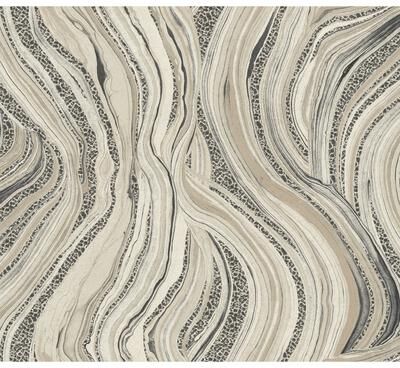
Ronald Redding Streaming Cheetah Linen WallpaperMarble veining and animal skin combine to compose a stream of color and print in pattern Streaming Cheetah. This Streaming Cheetah Wallpaper measures approximately 27 inches wide by 27 feet long, covering About 60.8 square feet per roll.170,00 $*Shipping: 0,00 $Secure redirect to the provider



-
Are Kazakhs a Turkic ethnic group?
Yes, Kazakhs are a Turkic ethnic group. They are descendants of Turkic tribes that migrated to the region of present-day Kazakhstan in the Middle Ages. The Kazakh language is also a Turkic language, belonging to the Kipchak branch of the Turkic language family. Additionally, Kazakh culture and traditions have strong Turkic influences, further solidifying their Turkic identity. **
-
Is Turkey really an ethnic Turkic people?
Turkey is a diverse country with a population that includes various ethnic groups, not just ethnic Turks. While the majority of the population in Turkey identifies as ethnic Turks, there are also significant Kurdish, Arab, and other minority populations. The concept of Turkish identity is complex and includes cultural, linguistic, and historical factors beyond just ethnic origin. Therefore, it is more accurate to say that Turkey is a multi-ethnic country with a dominant Turkish cultural and linguistic heritage. **
-
Do the Inuit belong to the Turkic peoples?
No, the Inuit do not belong to the Turkic peoples. The Inuit are indigenous peoples who primarily inhabit the Arctic regions of Canada, Greenland, and Alaska. They have their own distinct language, culture, and history that are different from the Turkic peoples, who are a group of ethnicities primarily located in Central Asia and parts of Eastern Europe. **
-
Do all Turkic peoples have the same roots?
No, not all Turkic peoples have the same roots. While they share a common linguistic and cultural heritage, Turkic peoples have diverse origins and histories. The Turkic language family originated in Central Asia, and Turkic peoples have migrated and settled in various regions over time, leading to different subgroups with distinct origins and influences. These subgroups include the Oghuz, Kipchak, and Karluk branches, among others, each with its own unique history and connections to different regions and cultures. **


Do the Scythians belong to the Turkic peoples?
The Scythians were an ancient nomadic people who lived in the Eurasian steppes from around the 9th century BC to the 4th century AD. While there are some linguistic and cultural similarities between the Scythians and Turkic peoples, they are not considered to be the same. The Scythians were an Indo-European group, while the Turkic peoples are a distinct language group that emerged later in history. Therefore, the Scythians are not considered to belong to the Turkic peoples. **
Which countries do the Turkic peoples belong to?
The Turkic peoples belong to countries such as Turkey, Azerbaijan, Kazakhstan, Uzbekistan, Turkmenistan, Kyrgyzstan, and parts of Russia, China, and Iran. These countries have significant populations of Turkic-speaking people who share a common cultural and linguistic heritage. The Turkic peoples have a rich history and have made significant contributions to the cultures and societies of these countries. **
Top-Angebote
Products related to Turkic:
-
Roku HD Streaming StickTransform any TV into America’s #1 streaming platform with the Roku Streaming Stick HD. Enjoy quick access to 500+ free HD channels, including live news, sports, weather, and more — all from a sleek, compact device that stays out of sight. Key Features TV Streaming Made Easy: Explore popular apps, free movies, shows, and live TV effortlessly. Streaming has never been simpler or more fun. Compact Design, No Compromises: The stick’s slim design won’t block adjacent HDMI ports and even powers directly from your TV — no wall outlet or extra cords needed. All-in-One Remote: Control your TV and Roku device with a single remote. Adjust volume, power on/off, and search using voice commands. Portable Entertainment: Take your favorite shows with you while traveling without needing to log in on other devices. Bluetooth Headphone Mode: Stream privately by pairing your headphones directly to the Roku Streaming Stick. Apps & Entertainment BBC iPlayer All 4 Netflix Amazon Prime Video YouTube Apple TV+ Disney+ Vimeo Movie rentals Interfaces & Connectivity Wi-Fi enabled General Information Remote control included Compatible with HD TVs EAN: 82961000844827,99 £*Shipping: 0,00 £Secure redirect to the provider
-
Lola Cosmetics Plot Twist Guava Styling Mousse 150mLA hair-care product. It a specially formulated hair mousse designed to style, texturize, and enhance curls while sealing in moisture. Defines and enhances curls for a beautiful, bouncy look. Seals in moisture to prevent frizz and dryness. Lightweight formula that does not weigh hair down. Suitable for all hair types, especially curly and textured hair.13,11 £*Shipping: 5,34 £Secure redirect to the provider
-
Lola Cosmetics Plot Twist Guava Finishing Oil 90mLA hair-care product. It designed to strengthen and restore hair. This powerful formula deeply nourishes the hair, promoting strength and health while restoring natural shine and softness without weighing it down. Creates a barrier against heat damage. Strengthens strands to prevent breakage and split ends.11,57 £*Shipping: 5,34 £Secure redirect to the provider
-
Logitech Litra Glow Streaming Light BlackStreaming light delivering 250 lumens with adjustable color temperature from 2700K to 6500K for natural, flattering lighting. TrueSoft technology diffuses light evenly to enhance skin tone during streaming and video calls. USB-powered with software control via Logitech G HUB; includes adjustable monitor mount for height, tilt, and rotation customization. Compatible with Windows 10+ and macOS 10.14+.82,49 £*Shipping: 0,00 £Secure redirect to the provider
-
Are Kazakhs a Turkic people?
Yes, Kazakhs are a Turkic people. They are one of the largest Turkic ethnic groups in Central Asia, with a majority of the population speaking the Kazakh language, which is a Turkic language. The Kazakhs have a shared history, culture, and linguistic roots with other Turkic peoples in the region. **
-
How similar are Turkic languages?
Turkic languages are similar in terms of their grammatical structure, vocabulary, and phonology. They share a common ancestor and have many cognates, making it easier for speakers of one Turkic language to understand and learn another. However, there are also significant differences among Turkic languages, especially in terms of phonological and lexical differences, as well as some grammatical variations. Despite these differences, the mutual intelligibility among Turkic languages allows for some level of communication and understanding between speakers of different Turkic languages. **
-
Are Kazakhs a Turkic ethnic group?
Yes, Kazakhs are a Turkic ethnic group. They are descendants of Turkic tribes that migrated to the region of present-day Kazakhstan in the Middle Ages. The Kazakh language is also a Turkic language, belonging to the Kipchak branch of the Turkic language family. Additionally, Kazakh culture and traditions have strong Turkic influences, further solidifying their Turkic identity. **
-
Is Turkey really an ethnic Turkic people?
Turkey is a diverse country with a population that includes various ethnic groups, not just ethnic Turks. While the majority of the population in Turkey identifies as ethnic Turks, there are also significant Kurdish, Arab, and other minority populations. The concept of Turkish identity is complex and includes cultural, linguistic, and historical factors beyond just ethnic origin. Therefore, it is more accurate to say that Turkey is a multi-ethnic country with a dominant Turkish cultural and linguistic heritage. **
Similar search terms for Turkic
-
Ronald Redding Streaming Cheetah Linen WallpaperMarble veining and animal skin combine to compose a stream of color and print in pattern Streaming Cheetah. This Streaming Cheetah Wallpaper measures approximately 27 inches wide by 27 feet long, covering About 60.8 square feet per roll.170,00 $*Shipping: 0,00 $Secure redirect to the provider
-
Lola Cosmetics Plot Twist Guava Hair Butter Gel 480gA hair-care product. It a styling gel designed to provide excellent hold and definition for your curls. This lightweight gel offers a smooth application, leaving hair feeling soft without any crunchiness. Provides strong hold and definition for curls. Lightweight formula that doesn't weigh hair down.12,95 £*Shipping: 10,02 £Secure redirect to the provider
-
Lola Cosmetics Plot Twist Guava Modeling Hair Cream 480gA hair-care product. Intensifies and defines natural curl patterns. Long-lasting hold with high shine. Detangles without weighing down. Fights frizz and enhances hydration retention. Ideal for low porosity hair and all curl types. Guava Oil: Rich in antioxidants and vitamins A and C, it nourishes and boosts shine.11,65 £*Shipping: 10,02 £Secure redirect to the provider
-
Do the Inuit belong to the Turkic peoples?
No, the Inuit do not belong to the Turkic peoples. The Inuit are indigenous peoples who primarily inhabit the Arctic regions of Canada, Greenland, and Alaska. They have their own distinct language, culture, and history that are different from the Turkic peoples, who are a group of ethnicities primarily located in Central Asia and parts of Eastern Europe. **
-
Do all Turkic peoples have the same roots?
No, not all Turkic peoples have the same roots. While they share a common linguistic and cultural heritage, Turkic peoples have diverse origins and histories. The Turkic language family originated in Central Asia, and Turkic peoples have migrated and settled in various regions over time, leading to different subgroups with distinct origins and influences. These subgroups include the Oghuz, Kipchak, and Karluk branches, among others, each with its own unique history and connections to different regions and cultures. **
-
Do the Scythians belong to the Turkic peoples?
The Scythians were an ancient nomadic people who lived in the Eurasian steppes from around the 9th century BC to the 4th century AD. While there are some linguistic and cultural similarities between the Scythians and Turkic peoples, they are not considered to be the same. The Scythians were an Indo-European group, while the Turkic peoples are a distinct language group that emerged later in history. Therefore, the Scythians are not considered to belong to the Turkic peoples. **
-
Which countries do the Turkic peoples belong to?
The Turkic peoples belong to countries such as Turkey, Azerbaijan, Kazakhstan, Uzbekistan, Turkmenistan, Kyrgyzstan, and parts of Russia, China, and Iran. These countries have significant populations of Turkic-speaking people who share a common cultural and linguistic heritage. The Turkic peoples have a rich history and have made significant contributions to the cultures and societies of these countries. **
* All prices are inclusive of VAT and, if applicable, plus shipping costs. The offer information is based on the details provided by the respective shop and is updated through automated processes. Real-time updates do not occur, so deviations can occur in individual cases. ** Note: Parts of this content were created by AI.