Buy dramacrazy.eu ?
We are moving the project
dramacrazy.eu .
Are you interested in purchasing the domain
dramacrazy.eu ?
domain@kv-gmbh.de · 0541-91531010
Buy dramacrazy.eu ?
What is a war film romance drama?
A war film romance drama is a genre of film that combines elements of war, romance, and drama. These films typically focus on the relationships and emotional experiences of characters during wartime, often exploring the impact of war on love, sacrifice, and human resilience. They often depict the challenges and hardships faced by individuals and their loved ones during times of conflict, while also highlighting the strength and endurance of the human spirit. These films often blend intense action and emotional storytelling to create a compelling and thought-provoking cinematic experience. **
What is the post-war period?
The post-war period refers to the time following the end of a war, typically focusing on the aftermath and reconstruction efforts. It is a time of transition as countries work to rebuild their economies, infrastructure, and societies that were affected by the conflict. The post-war period often involves addressing issues such as displaced populations, political instability, and the process of reconciliation and healing. This period is crucial for laying the foundation for long-term peace and stability. **
Similar search terms for Post-war
Top-Angebote
Products related to Post-war:
-
HarperVoyager Poppy War Series 3 Books Collection Set By R.F. Kuang (The Poppy War, The Dragon Republic, The Burning God)The Poppy War When Rin aced the Keju – the test to find the most talented students in the Empire – it was a shock to everyone: to the test officials, who couldn’t believe a war orphan from Rooster Province could pass without cheating; to Rin’s guardians, who had hoped to get rich by marrying her off; and to Rin herself, who realized she was finally free from a life of servitude. That she got into Sinegard – the most elite military school in Nikan – was even more surprising.The Dragon Republic Haunted by the terrible choices she had to make to save her people, Rin's only reason for living is to take revenge on the traitorous Empress who sold her homeland to its enemies.Forced to ally with the powerful Dragon Warlord in his plan to unseat the Empress, Rin throws herself into the struggle using the fearsome power bestowed on her by the vengeful god Phoenix.The Burning God After saving her nation of Nikan from foreign invaders and battling the evil Empress Su Daji in a brutal civil war, Fang Runin was betrayed by allies and left for dead.Despite her losses, Rin hasn’t given up on those for whom she has sacrificed so much – the people of the southern provinces and especially Tikany, the village that is her home. Returning to her roots, Rin meets difficult challenges – and unexpected opportunities.19,99 £*Shipping: 2,99 £Secure redirect to the provider


-
Which short stories are about war and the post-war period?
Two short stories that focus on war and the post-war period are "The Things They Carried" by Tim O'Brien and "A Perfect Day for Bananafish" by J.D. Salinger. "The Things They Carried" explores the experiences of soldiers during the Vietnam War and the lasting impact of war on their lives. On the other hand, "A Perfect Day for Bananafish" delves into the psychological effects of war on a soldier returning home from World War II. Both stories provide poignant insights into the complexities of war and its aftermath. **
-
Why are post-war buildings considered ugly?
Post-war buildings are often considered ugly because they were built quickly and cheaply to meet the urgent demand for housing and infrastructure after the devastation of World War II. This led to a lack of attention to architectural design and aesthetics, resulting in buildings that are often seen as bland, utilitarian, and lacking in character. Additionally, the use of materials such as concrete and steel, which were readily available and cost-effective at the time, can contribute to the perceived lack of visual appeal in post-war buildings. **
-
How was life in the post-war period?
Life in the post-war period was marked by significant changes and challenges. Many countries faced the task of rebuilding their economies and infrastructure, while also dealing with the social and psychological impacts of the war. There was a sense of optimism and hope for a better future, but also a lingering sense of loss and trauma. The period saw the emergence of new political alliances, economic systems, and social movements as the world adjusted to the aftermath of the war. **
-
Why are the post-war children so strict?
Post-war children may be strict because they were raised by parents who experienced the hardships and uncertainties of war, leading them to prioritize discipline and structure in their children's upbringing. Additionally, the post-war period often saw a focus on rebuilding and stability, which may have influenced parents to instill a strong sense of responsibility and adherence to rules in their children. Furthermore, the societal and economic challenges of the post-war era may have led to a more conservative and disciplined approach to parenting in order to ensure the success and security of the next generation. **
What are the genres of post-war literature?
Post-war literature encompasses a wide range of genres, including historical fiction, memoir, poetry, and drama. Many authors sought to capture the experiences and aftermath of war through their writing, resulting in a diverse array of literary works. Some post-war literature also delves into themes of trauma, loss, and the struggle to rebuild society in the wake of conflict. Overall, the genres of post-war literature reflect the complex and multifaceted nature of the post-war experience. **
What are the differences in post-war poetry?
Post-war poetry can vary greatly depending on the specific historical and cultural context of the time and place in which it was written. However, some common differences in post-war poetry include shifts in themes and subject matter, as well as changes in poetic style and form. For example, poetry written in the aftermath of World War I often reflected disillusionment and a sense of loss, while poetry from the post-World War II era often grappled with the complexities of modern life and the impact of technology and globalization. Additionally, post-war poetry may also exhibit experimentation with language and form, as poets sought new ways to express the changing world around them. **
Top-Angebote
Products related to Post-war:
-
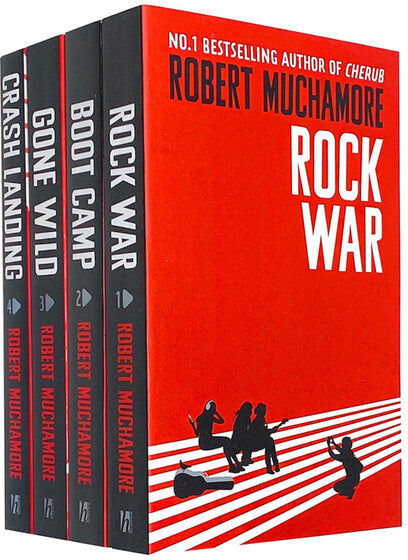
HODDER PUBLISHING Rock War Series 4 Book Set by Robert Muchamore – Music, Fame & Teen Drama CollectionRock War Meet Jay. Summer. And Dylan. Jay plays guitar, writes songs and dreams of being a rock star. But his ambitions are stifled by seven siblings and a terrible drummer. Summer works hard at school, looks after her nan and has a one-in-a-million singing voice. But can her talent triumph over her nerves? Dylan is happiest lying on his bunk smoking, but his school rugby coach has other ideas, and Dylan reluctantly joins a band to avoid crunching tackles and icy mud. They're about to enter the biggest battle of their lives. And there's everything to play for. Boot Camp Jay, Summer, Dylan and their bands are headed for boot camp at uber-glamorous Rock War Manor. It's going to be six weeks of mates, music and non-stop partying as they prepare for stardom. But the rock-star life of music festivals and glitzy premieres isn't all it's cracked up to be. Can the bands hold it together long enough to make it through the last stage of the competition, or will there be meltdown? Gone Wild The Rock War TV show is the most-watched reality show on British telly, and it's only halfway through. Jay, Summer, Dylan and their bands have all made it past the tough boot camp stage, and now the last six will fight it out until the season's finale, live on Christmas Eve. But it's not all about the music. Summer was hit by a motorbike at the end of boot camp. Jay's brother Theo can't keep out of trouble - or out of handcuffs. And Dylan, the outsider, is investigating corruption within the workings of the competition itself. Crash Landing Jay, Summer and Dylan are fresh out of the biggest reality show there is. But they're about to discover what fame and fortune are really about. Jay's brother Theo is young, rich and famous: but is it making him happy? Summer's got to weather her one-star reviews and take her career back into her own hands. And Dylan might soon be seeing the world of show-business from the four walls of a prison cell. They've got everything to play for.14,95 £*Shipping: 2,99 £Secure redirect to the provider
-
HarperVoyager Poppy War Series 3 Books Collection Set By R.F. Kuang (The Poppy War, The Dragon Republic, The Burning God)The Poppy War When Rin aced the Keju – the test to find the most talented students in the Empire – it was a shock to everyone: to the test officials, who couldn’t believe a war orphan from Rooster Province could pass without cheating; to Rin’s guardians, who had hoped to get rich by marrying her off; and to Rin herself, who realized she was finally free from a life of servitude. That she got into Sinegard – the most elite military school in Nikan – was even more surprising.The Dragon Republic Haunted by the terrible choices she had to make to save her people, Rin's only reason for living is to take revenge on the traitorous Empress who sold her homeland to its enemies.Forced to ally with the powerful Dragon Warlord in his plan to unseat the Empress, Rin throws herself into the struggle using the fearsome power bestowed on her by the vengeful god Phoenix.The Burning God After saving her nation of Nikan from foreign invaders and battling the evil Empress Su Daji in a brutal civil war, Fang Runin was betrayed by allies and left for dead.Despite her losses, Rin hasn’t given up on those for whom she has sacrificed so much – the people of the southern provinces and especially Tikany, the village that is her home. Returning to her roots, Rin meets difficult challenges – and unexpected opportunities.19,99 £*Shipping: 2,99 £Secure redirect to the provider
-
What is a war film romance drama?
A war film romance drama is a genre of film that combines elements of war, romance, and drama. These films typically focus on the relationships and emotional experiences of characters during wartime, often exploring the impact of war on love, sacrifice, and human resilience. They often depict the challenges and hardships faced by individuals and their loved ones during times of conflict, while also highlighting the strength and endurance of the human spirit. These films often blend intense action and emotional storytelling to create a compelling and thought-provoking cinematic experience. **
-
What is the post-war period?
The post-war period refers to the time following the end of a war, typically focusing on the aftermath and reconstruction efforts. It is a time of transition as countries work to rebuild their economies, infrastructure, and societies that were affected by the conflict. The post-war period often involves addressing issues such as displaced populations, political instability, and the process of reconciliation and healing. This period is crucial for laying the foundation for long-term peace and stability. **
-
Which short stories are about war and the post-war period?
Two short stories that focus on war and the post-war period are "The Things They Carried" by Tim O'Brien and "A Perfect Day for Bananafish" by J.D. Salinger. "The Things They Carried" explores the experiences of soldiers during the Vietnam War and the lasting impact of war on their lives. On the other hand, "A Perfect Day for Bananafish" delves into the psychological effects of war on a soldier returning home from World War II. Both stories provide poignant insights into the complexities of war and its aftermath. **
-
Why are post-war buildings considered ugly?
Post-war buildings are often considered ugly because they were built quickly and cheaply to meet the urgent demand for housing and infrastructure after the devastation of World War II. This led to a lack of attention to architectural design and aesthetics, resulting in buildings that are often seen as bland, utilitarian, and lacking in character. Additionally, the use of materials such as concrete and steel, which were readily available and cost-effective at the time, can contribute to the perceived lack of visual appeal in post-war buildings. **
Similar search terms for Post-war
-
How was life in the post-war period?
Life in the post-war period was marked by significant changes and challenges. Many countries faced the task of rebuilding their economies and infrastructure, while also dealing with the social and psychological impacts of the war. There was a sense of optimism and hope for a better future, but also a lingering sense of loss and trauma. The period saw the emergence of new political alliances, economic systems, and social movements as the world adjusted to the aftermath of the war. **
-
Why are the post-war children so strict?
Post-war children may be strict because they were raised by parents who experienced the hardships and uncertainties of war, leading them to prioritize discipline and structure in their children's upbringing. Additionally, the post-war period often saw a focus on rebuilding and stability, which may have influenced parents to instill a strong sense of responsibility and adherence to rules in their children. Furthermore, the societal and economic challenges of the post-war era may have led to a more conservative and disciplined approach to parenting in order to ensure the success and security of the next generation. **
-
What are the genres of post-war literature?
Post-war literature encompasses a wide range of genres, including historical fiction, memoir, poetry, and drama. Many authors sought to capture the experiences and aftermath of war through their writing, resulting in a diverse array of literary works. Some post-war literature also delves into themes of trauma, loss, and the struggle to rebuild society in the wake of conflict. Overall, the genres of post-war literature reflect the complex and multifaceted nature of the post-war experience. **
-
What are the differences in post-war poetry?
Post-war poetry can vary greatly depending on the specific historical and cultural context of the time and place in which it was written. However, some common differences in post-war poetry include shifts in themes and subject matter, as well as changes in poetic style and form. For example, poetry written in the aftermath of World War I often reflected disillusionment and a sense of loss, while poetry from the post-World War II era often grappled with the complexities of modern life and the impact of technology and globalization. Additionally, post-war poetry may also exhibit experimentation with language and form, as poets sought new ways to express the changing world around them. **
* All prices are inclusive of VAT and, if applicable, plus shipping costs. The offer information is based on the details provided by the respective shop and is updated through automated processes. Real-time updates do not occur, so deviations can occur in individual cases. ** Note: Parts of this content were created by AI.